
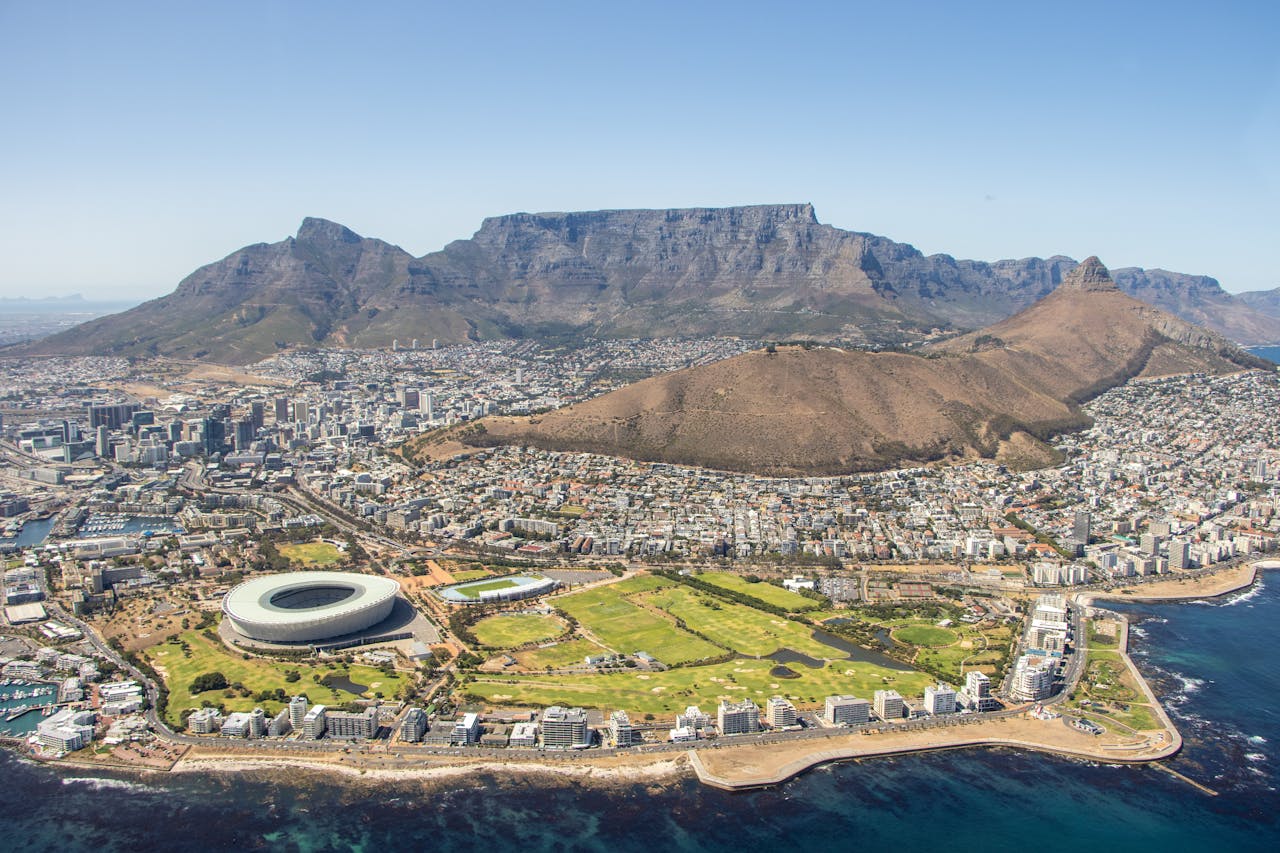
Semigration, the internal migration trend within a country, has emerged as a significant force in shaping South Africa’s demographic and economic landscape. Notably, the Western Cape has become a magnet for individuals and families seeking improved opportunities and a higher quality of life. This article delves into the multifaceted impacts of semigration, emphasizing its pivotal role in driving development and escalating property prices in the Western Cape.
The Semigration Trend:
The allure of the Western Cape extends far beyond its picturesque landscapes and Mediterranean climate. Factors such as robust job prospects, modern infrastructure, and a vibrant cultural scene have made it an irresistible destination for semigrants from other provinces. This influx of newcomers not only enriches the region’s social fabric but also fuels economic growth by contributing to its skilled workforce and entrepreneurial ecosystem.
Driving Development:
Semigration serves as a catalyst for development across various sectors in the Western Cape. The infusion of fresh talent and expertise invigorates industries such as technology, healthcare, education, and finance, fostering innovation and driving productivity. Cape Town, in particular, has emerged as a burgeoning tech hub, attracting startups and multinational corporations alike. This influx of investment and talent propels the region’s economic engine forward, creating a ripple effect of growth and opportunity throughout the Western Cape.
Property Market Dynamics:
One of the most tangible effects of semigration is the exponential surge in demand for housing in the Western Cape. As semigrants flock to the region in search of their slice of paradise, property prices have soared to unprecedented levels. Areas like Cape Town, Stellenbosch, and Franschhoek have witnessed particularly steep increases, with waterfront properties and scenic estates commanding premium prices. This surge in demand, coupled with limited supply and stringent zoning regulations, has created a fiercely competitive property market, where bidding wars and rapid sales have become the norm.
Challenges and Opportunities:
While semigration brings a plethora of opportunities, it also presents its fair share of challenges. The rapid influx of newcomers strains existing infrastructure, exacerbating traffic congestion and placing pressure on public services. Additionally, the surge in property prices has raised concerns about housing affordability and accessibility, threatening to price out long-time residents and exacerbate socioeconomic disparities.
However, amidst these challenges lie opportunities for sustainable growth and inclusive development. Proactive measures such as infrastructure upgrades, urban planning initiatives, and affordable housing programs can help mitigate the negative impacts of semigration while maximizing its potential benefits. Furthermore, fostering a sense of community and inclusivity is essential to ensure that all residents, both old and new, can thrive in the Western Cape’s dynamic environment.
Conclusion:
Semigration is reshaping the Western Cape, driving development and transforming property markets in its wake. As the region continues to attract a diverse array of talent and investment, it must navigate the challenges of growth while remaining committed to inclusivity and sustainability. By harnessing the opportunities presented by semigration and implementing strategic policies to address its associated challenges, the Western Cape can chart a course towards a prosperous and equitable future for all its residents.